The Igbo People: A Comprehensive Overview
The Igbo people (also spelled Ibo) are a vibrant and major ethnic group indigenous to south-central and southeastern Nigeria. Scholars continue to debate their precise origins, as the exact processes that led to the formation of this distinct group remain unclear despite extensive research.
Geography & Demographics
Geographically, the traditional Igbo homeland is divided by the Niger River into two unequal parts: a larger eastern section and a smaller western section. They are one of Africa’s largest ethnic groups, with a population in the tens of millions both in Nigeria and the diaspora.
Livelihood & Language
In rural areas, most Igbo people earn their living as skilled craftsmen, farmers, and traders. Yam is the most culturally and economically important crop, while cassava and taro serve as other key staples.
The Igbo language belongs to the Niger-Congo family and features many regional dialects. These dialects are somewhat mutually intelligible with the wider Igboid language cluster. The Igbo homeland lies along the lower Niger River, east and south of Edoid and Idomoid groups, and west of the Ibibioid (Cross River) peoples.
History & Political Structure
Before British colonial rule in the early 20th century, Igbo society was largely politically decentralized. It featured several notable centralized chiefdoms and confederacies, including the ancient Nri Kingdom, the powerful Aro Confederacy, Agbor, and Onitsha. During colonial administration, Frederick Lugard introduced the "Warrant Chiefs" (Eze) system as a way to govern the region indirectly.
Unlike many other parts of Nigeria, the Igbo were largely unaffected by the 19th-century Fulani Jihad and the southward spread of Islam. Under British rule, they converted overwhelmingly to Christianity.
After Nigeria’s independence and decolonization, the Igbo developed a strong shared ethnic identity. During the Nigerian Civil War (1967–1970), Igbo-led territories briefly seceded to form the Republic of Biafra. Today, groups like the Movement for the Actualization of the Sovereign State of Biafra (MASSOB), founded in 1999, continue a non-violent campaign for greater Igbo autonomy or independence.
Significant Igbo communities also exist in neighboring countries such as Cameroon, Gabon, and Equatorial Guinea, as well as in large diasporas across Europe, North America, and beyond, where their entrepreneurial spirit and cultural pride remain strong.
📚 For even more in-depth reading, visit the dedicated Wikipedia page:
Read more on Wikipedia
Authentic Gallery: Stock Photos of the Igbo People
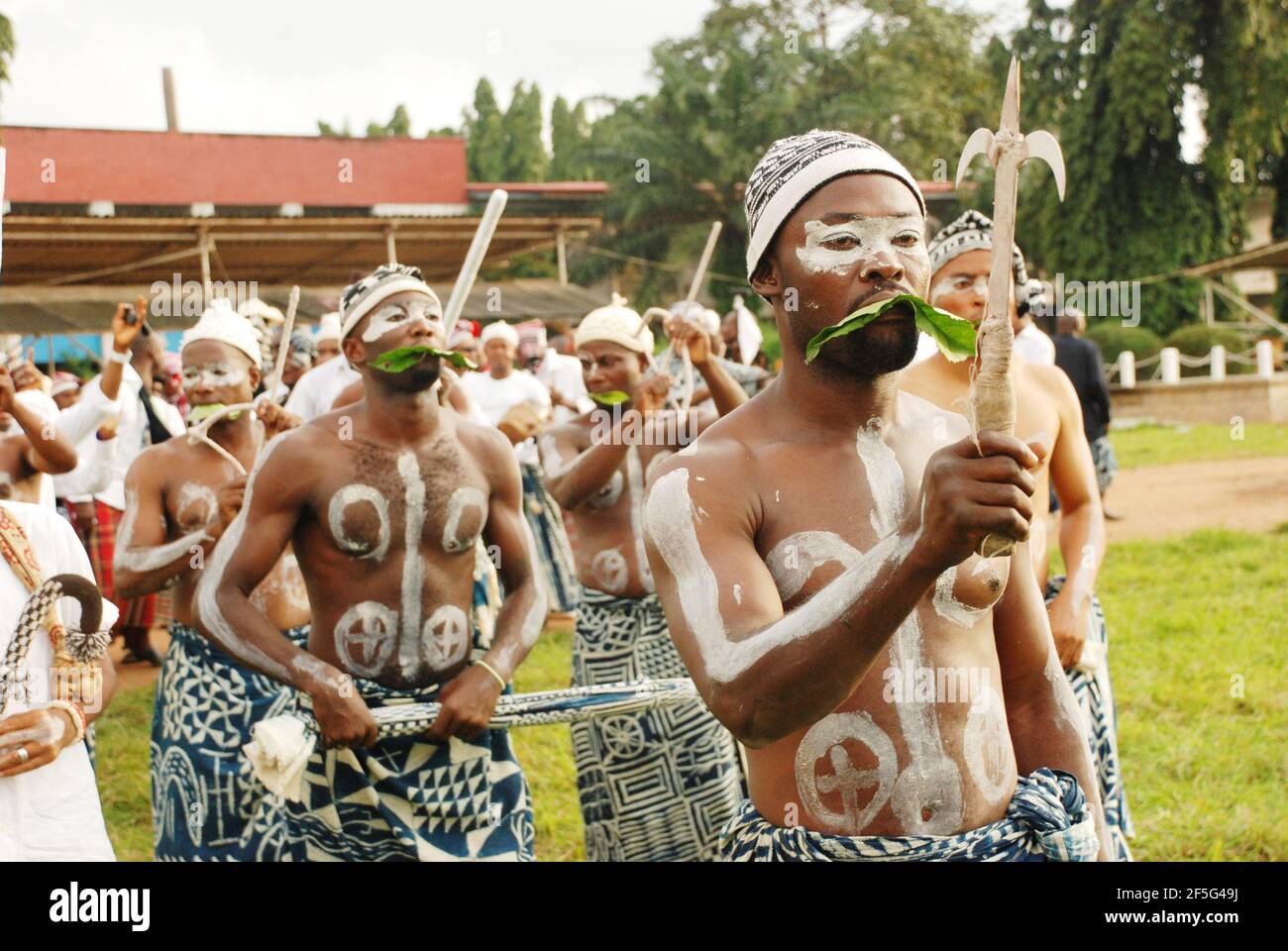
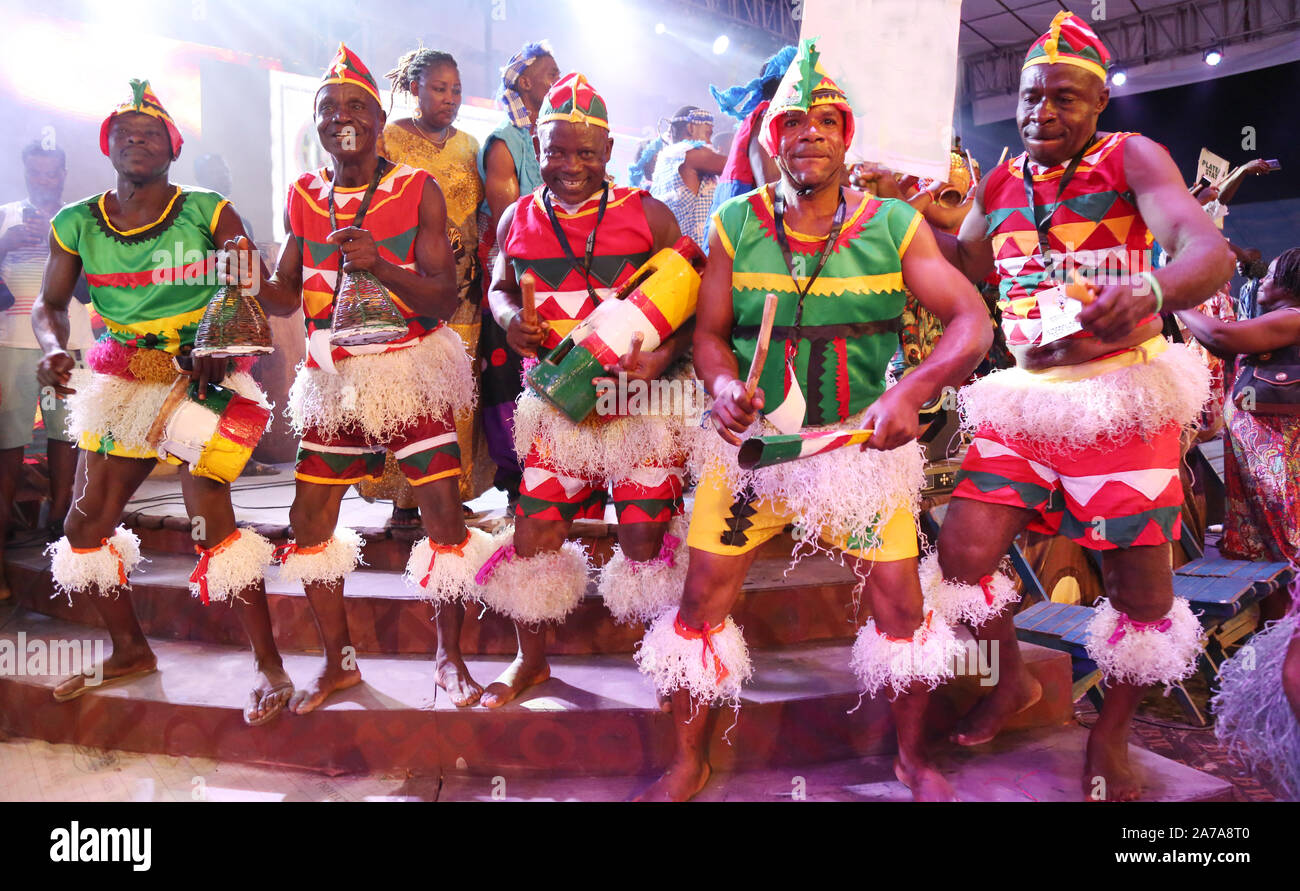
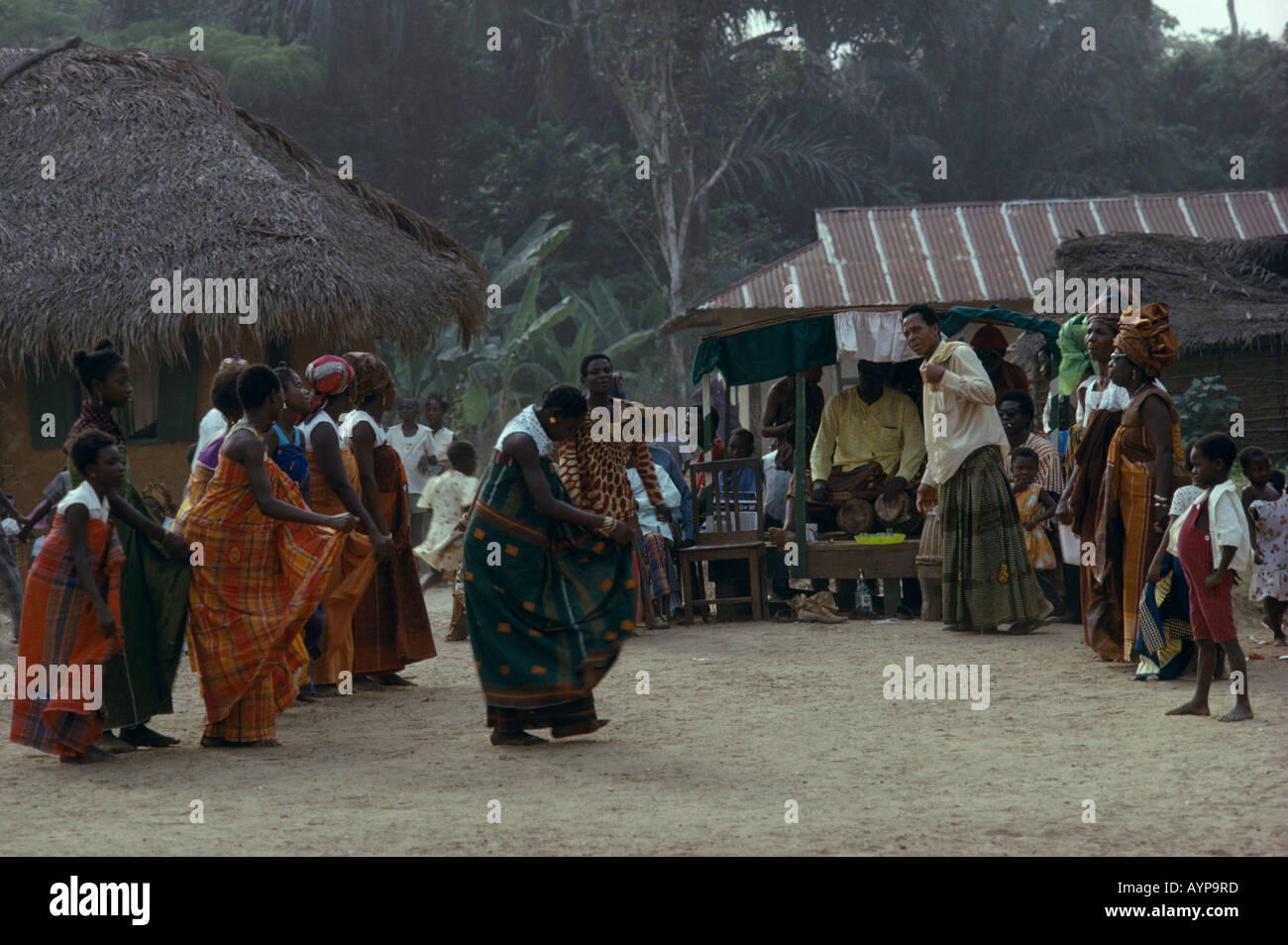
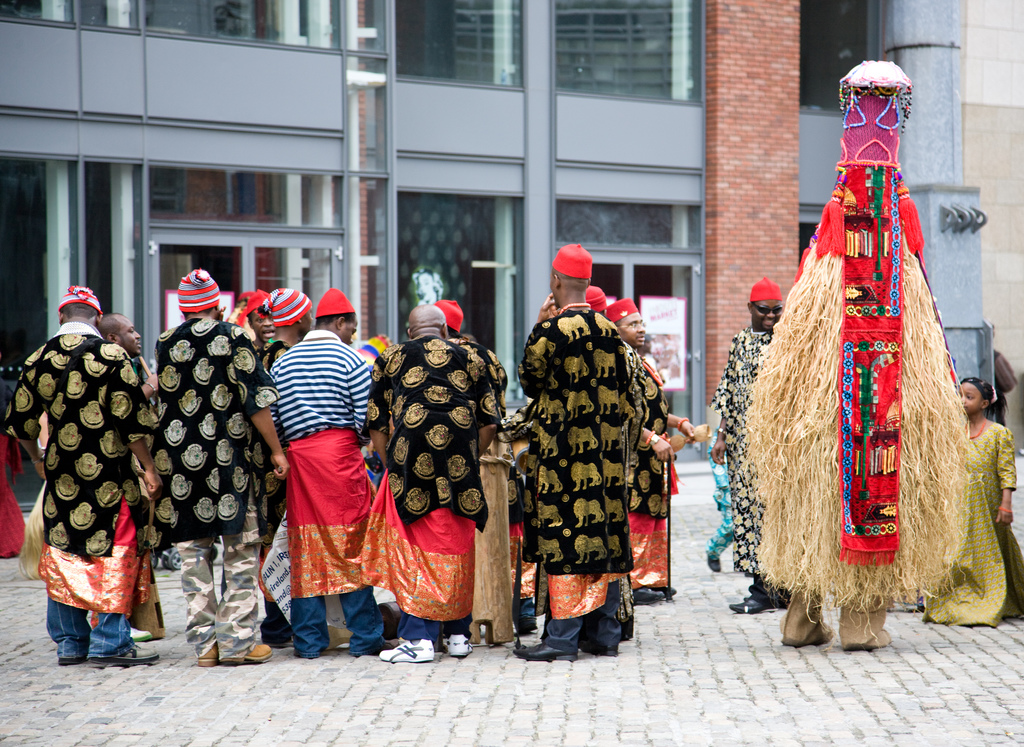
Here is a visual collection of authentic stock photos capturing Igbo culture, traditional attire, festivals, masquerades, and daily life. You can view or license them directly via the professional libraries below for personal or commercial use.


Explore More Cultural Collections
- Igbo People Festival Collection (Alamy)
- Igbo Festival General Images (Alamy)
- Masquerades of Igboland: Art, Mystery & Spirituality
- New Yam Festival of the Igbo (Wikipedia)
These photos showcase the rich diversity of Igbo traditions—from vibrant masquerades and festivals to elegant modern-traditional fashion. If you need photos focused on a specific aspect (e.g., music performances, markets, or rural life), contact us for more targeted resources!